Latest Trends in Air Conditioning Installation You Should Know
Air conditioning installation has evolved significantly in recent years, driven by advancements in technology, environmental concerns, and changing consumer preferences. One of the most notable trends is the increasing adoption of smart air conditioning systems. These units integrate with home automation platforms, allowing users to control temperature settings remotely via smartphones or voice assistants. This connectivity not only enhances convenience but also promotes energy efficiency by enabling precise adjustments based on occupancy or weather conditions.
Energy efficiency remains a central focus in modern air conditioning installations. Manufacturers are developing units that meet higher Seasonal Energy Efficiency Ratio (SEER) standards, which translates to reduced electricity consumption and lower utility bills for consumers. In addition to traditional split systems, inverter technology has become get more insights prevalent. Inverter-driven compressors adjust their speed dynamically rather than cycling on and off completely, resulting in smoother operation and significant energy savings over time.
Another emerging trend is the use of eco-friendly refrigerants with low global warming potential (GWP). Older refrigerants like R-22 have been phased out due to their harmful environmental impact, prompting a shift toward alternatives such as R-32 and R-410A. These newer refrigerants offer improved cooling performance while minimizing damage to the ozone layer and reducing greenhouse gas emissions.
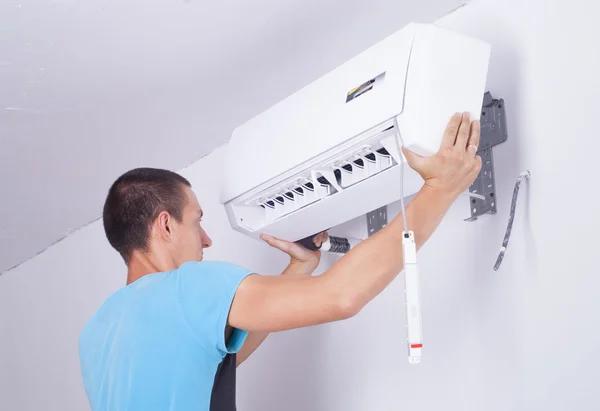
Installation techniques are also improving with a greater emphasis on optimizing airflow and insulation during setup. Proper ductwork design ensures even distribution of cool air throughout living spaces while minimizing leaks that can waste energy. Technicians now often conduct thorough load calculations before installation to determine the ideal system size tailored to specific building requirements rather than relying on outdated rules of thumb.
Zoning systems have gained popularity as well because they allow different areas within a home or office to be cooled independently according to individual needs. This customization enhances comfort levels without unnecessary energy expenditure in unoccupied rooms.
The integration of advanced filtration technologies within air conditioners addresses growing concerns about indoor air quality. Modern units often include HEPA filters or UV light components designed to capture allergens, bacteria, and viruses effectively while circulating clean air indoors.
Finally, there is an increased demand for aesthetically pleasing designs that blend seamlessly with interior decor without compromising functionality. Slimmer profiles and quieter operation contribute positively toward user experience during hot months.
Overall, staying informed about these latest trends enables homeowners and businesses alike to make smarter choices when investing in new air conditioning installations that balance comfort, sustainability, and cost-effectiveness efficiently.